Key Takeaways
- Your glasses help focus light properly so your brain receives a clearer image.
- Your eyes change naturally over time because of age and family genetics, not because of glasses.
- Skipping your corrective lenses can cause tired eyes and frequent headaches.
- A yearly visit to your local eye doctor helps track your vision and keep your whole family seeing clearly.
If you’ve been wearing your glasses for a while, you might take them off one day and feel as though the world is blurrier than it was before you ever got them in the first place. At Karns Vision Center, many of our patients ask whether wearing corrective lenses can make their vision blurrier, but we want to clear up this common myth.
Wearing glasses doesn’t make your eyes worse or weaken your vision. After wearing glasses, blurry vision may seem more noticeable because you’ve become accustomed to seeing clearly. When you remove your frames, your brain notices the difference immediately, and that change in perception can make it seem as though your vision has worsened, even though it isn’t true.
Corrective Lenses and Your Vision
Corrective lenses bend incoming light to correct common issues like nearsightedness, giving you a clear, comfortable view of the world around you. This can help people who have been experiencing headaches or eye strain from straining to see clearly.
Your eye muscles don’t lose strength from wearing your frames every day. Your eyes simply adjust to a new, comfortable perception of the world, so when you remove your prescription lenses, the sudden blurriness can make you feel like your eyesight has declined.
Why Your Eyes Change as You Get Older
How Age Affects Your Vision
Inside your eyes, you have a clear lens that helps your eye focus. As the years go by, this internal lens can become less flexible, making it harder to focus on things close by, like your phone or a menu. This age-related condition, known as presbyopia, usually starts around age 40 for most adults.
Natural shifts in your sight like these can happen to anyone, whether or not they wear glasses.
Genetics and Environmental Factors
Your family history plays a role in your vision. If your parents needed corrective glasses to see, you have a higher chance of needing them, too. That doesn’t mean you’re destined to be nearsighted or farsighted. It just means seeing an eye doctor for your regular eye exams can be an important part of monitoring your eyesight.
Your daily routines also impact your eyes. Staring at bright computer screens all day can contribute to digital eye strain and dry eye.
Signs You Need a Prescription Update
Your sight shifts gradually over the years, sometimes so slowly that it can be hard to tell if it’s changed. This is part of the reason why we recommend coming in for regular eye exams, as they can detect these changes early and track how your eyesight shifts over the years.
If you notice any of these symptoms, it might be time to book an appointment with your eye doctor:
- You have to squint to read distant words, like road signs
- You have to hold menus or your phone at arm’s distance to read it properly
- You get frequent headaches after trying to focus on something for a long time
- You have trouble seeing even when wearing your current glasses

What Happens if You Don’t Wear Your Glasses
The Impact on Adults
Choosing not to wear your frames can lead to unnecessary discomfort, like tired eyes, headaches, or eye strain. Some people experience reduced concentration at work because their eyes have to work overtime to focus on their monitor.
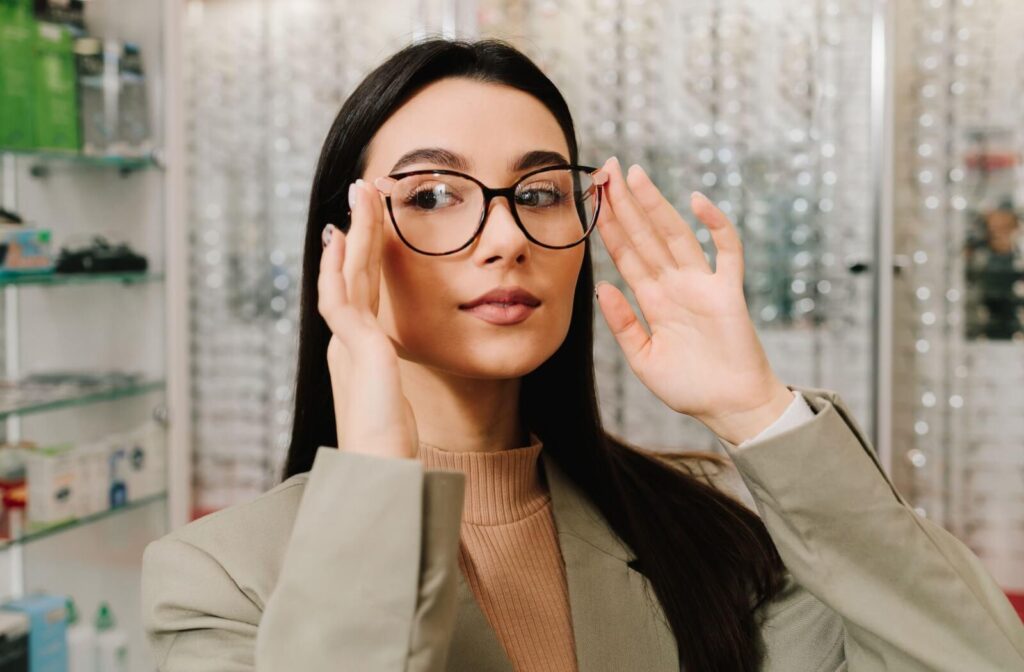
Glasses help you navigate the world clearly and comfortably. If you don’t like the fit or style of your current frames, we can help you pick new ones or explore your options for contact lenses.
The Impact on Children
Kids face unique challenges when they don’t wear their glasses. Children need clear vision for healthy development as they grow. The right lenses help them see the school board clearly and play sports safely with friends, which is important for learning and building confidence. If your child is forgetting their frames or taking them off at school, there are tips you can explore.
If your child has nearsightedness, it may be worth talking about myopia management with your eye doctor. Myopia control can help slow the progression of their prescription and protect their long-term vision.
How to Keep Your Eyes Healthy
Regular visits to the clinic help you maintain comfortable sight for the long term. For most healthy adults, getting an eye exam every 1–2 years is generally a good rhythm to follow. During these visits, our eye doctor in Knoxville can monitor your vision history and keep your prescription up to date.
Schedule Your Next Appointment
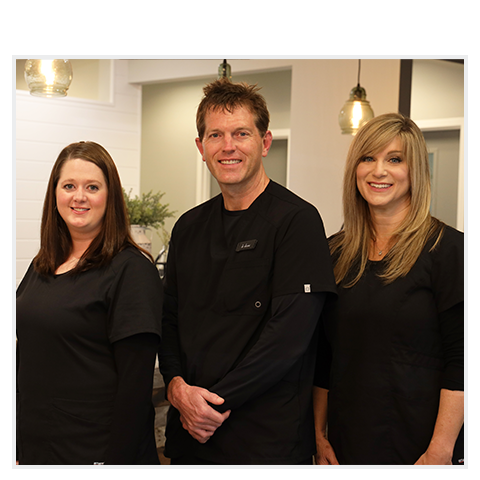
Our team at Karns Vision Center is dedicated to treating everyone who walks through our door like family. Whether you’re looking for a new pair of frames or want to get your first eye exam, we’d love to help. Schedule your next appointment today.